Famous Fashion Terms And Styles Honouring The Greatness Of Cats
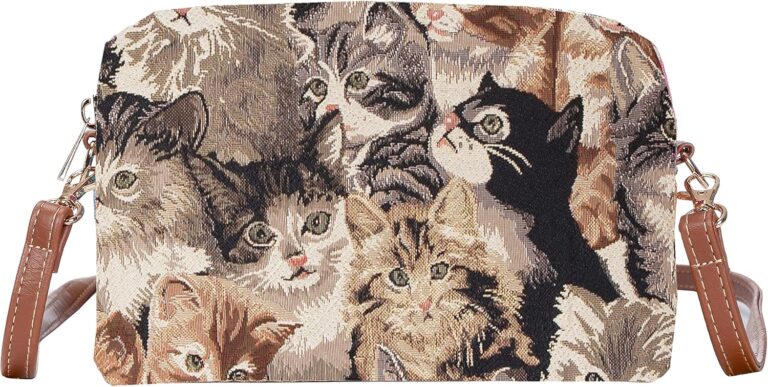
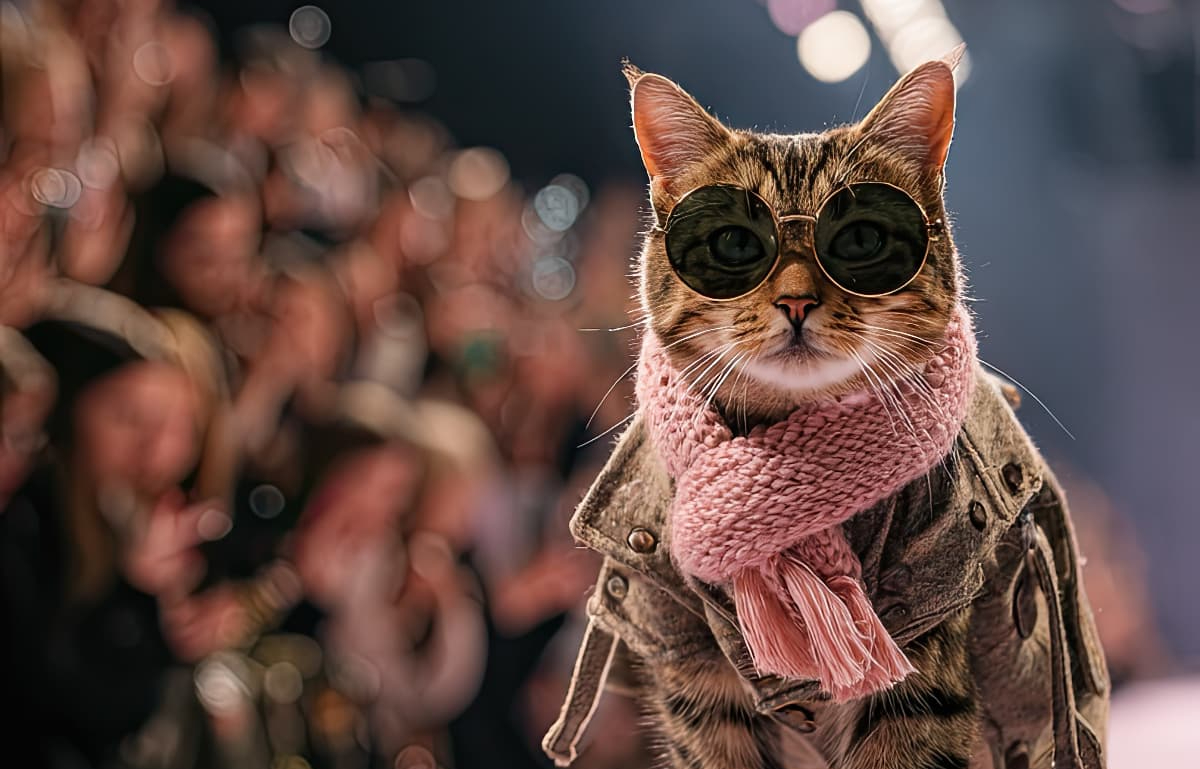
The fashion industry has been “mad for cats” long before “dopamine dressing” became the buzzword of today’s pop culture and catwalk fashion. Like the ubiquitous “dress for happiness” trend, there seems to be something so alluring about cats that the fashion industry can’t stop using them as bait to peddle everything from luxury handbags to designer decor and human excessities.
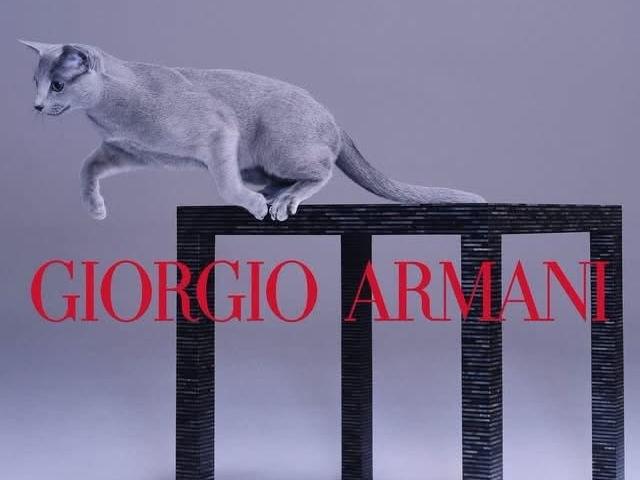
Of course, the connection between fashion and felines started long before Karl Lagerfeld turned his fluffy Choupette into a bona fide style icon, or Giorgio Armani using a Russian Blue as model in its Fall/Winter 2026–27 campaign.
The physical attributes and nimble nature of cats have inspired popular fashion terms, as featured in the list below.
Cat Eye Liner
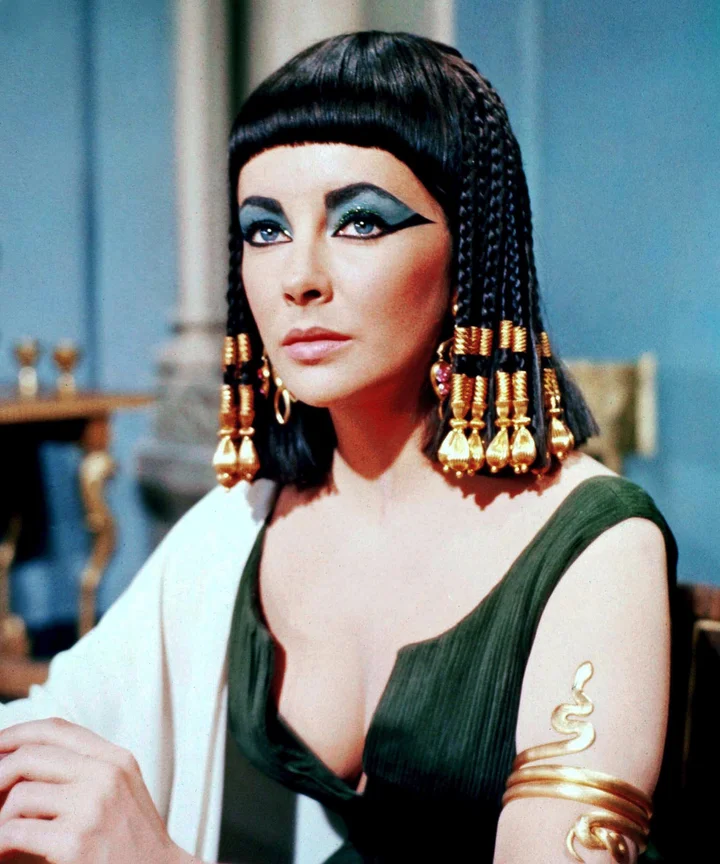
The term cat eye represents two major trends. Known as the world’s oldest makeup trick, the roots of the term ‘cat-eye’ can be traced back to ancient Egypt. The iconic winged-eyeliner look was made popular by the likes of Nefertiti and Cleopatra, who used minerals such as copper ore and malachite to create either thick lines etched from the eye upwards to the hairline or little flicks that stretched out parallel to the brow.
Movies such as 1917’s Cleopatra, starring Theda Bara, showed the cat-eye worn by a modern-day superstar. As cosmetics became more acceptable for use by mainstream women, eyeliner became more prevalent. Mastering cat eye liner is like taking the perfect selfie: it takes a few shots until you perfect your angles. Keep on trying!
Cat-Eye Glasses
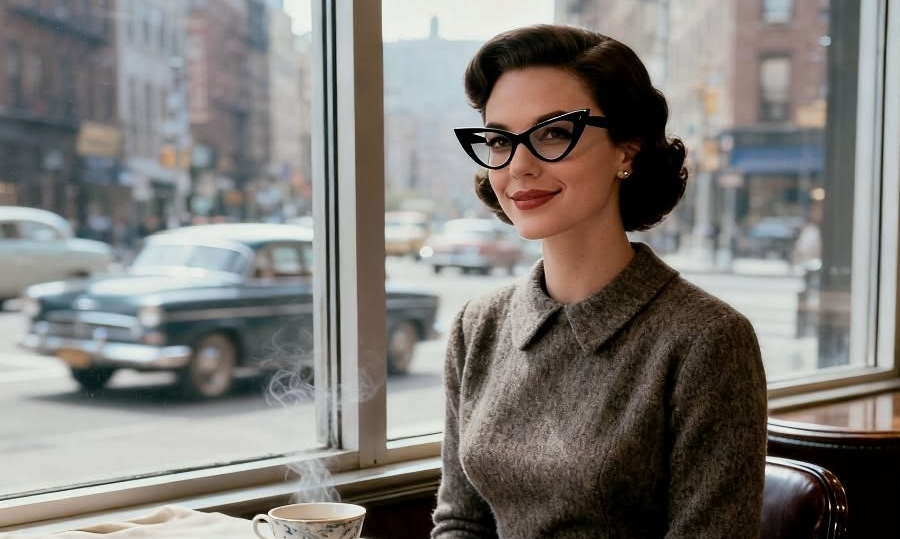
The origin of Cat-Eye glasses dates back to the 1930s when Altina Schinasi noticed the awful eyewear offerings on display in the windows of the local Optometrist. She went on to designed the Harlequin frame, a shape which would later come to be known as “cat-eye”. By 1939, Schinasi won an American design award and was hailed by both Vogue and Time magazines for revolutionising women’s eyewear, giving it fashion status. With interpretations ranging from simple to flamboyant, the cat-eye became a symbol of post-war confidence, celebration, and excess.
Hollywood starlets Marylyn Monroe, Grace Kelly, and Audrey Hepburn added their stamp of approval to cat-eyes, cementing the shape’s popularity and iconic status while personifying the greatest statement this new look made: a woman with glasses was smart, sexy, and liberated.
Kitten Heels
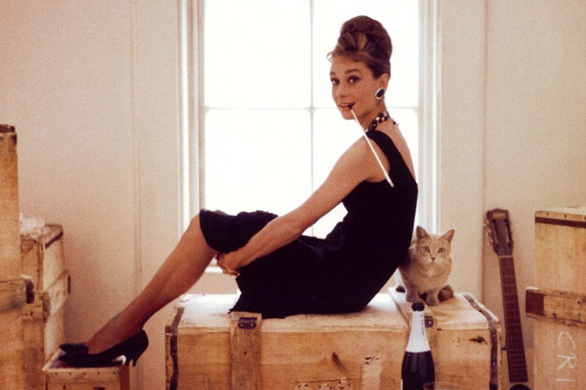
Ever since medieval times, shoes with high heels represented the status and wealth of the wearer, that is, of cause, if the wearer was a man. For women, stiletto heels were viewed as a blatant item of showcasing your female sexuality. For that purpose, some shoe designers were quick to popularize Kitten Heels under the name of “training heels”. Kitten heels are primarily characterized by their short, stiletto heel.
In the 1950s, kitten heels were sold as formal fashion wear for young ladies, specifically adolescent girls and girls who were starting to learn how to walk in heels. Interestingly, this is how the heels got their names as they were regarded as training shoes for “little kittens.” The low and sturdy heels offered a practical and comfortable alternative to stiletto heels.
Female icons like Audrey Hepburn and Marilyn Monroe showcased the kitten heel in a playful yet comfortable manner. This caused the kitten heel to become a staple in the shoe wardrobe of women of all ages. This propelled the popularity of kitten shoes before the trend to a dip in the 70s.
The heels returned to fashion in the 1980s, with another return in 2003. This latest reappearance of kitten heels left little to no impact on the fashion world. This is likely due to the success of stiletto heels, yet many famous designers around the world try their best to promote kitten heels with all of their power.
Pussy Bows
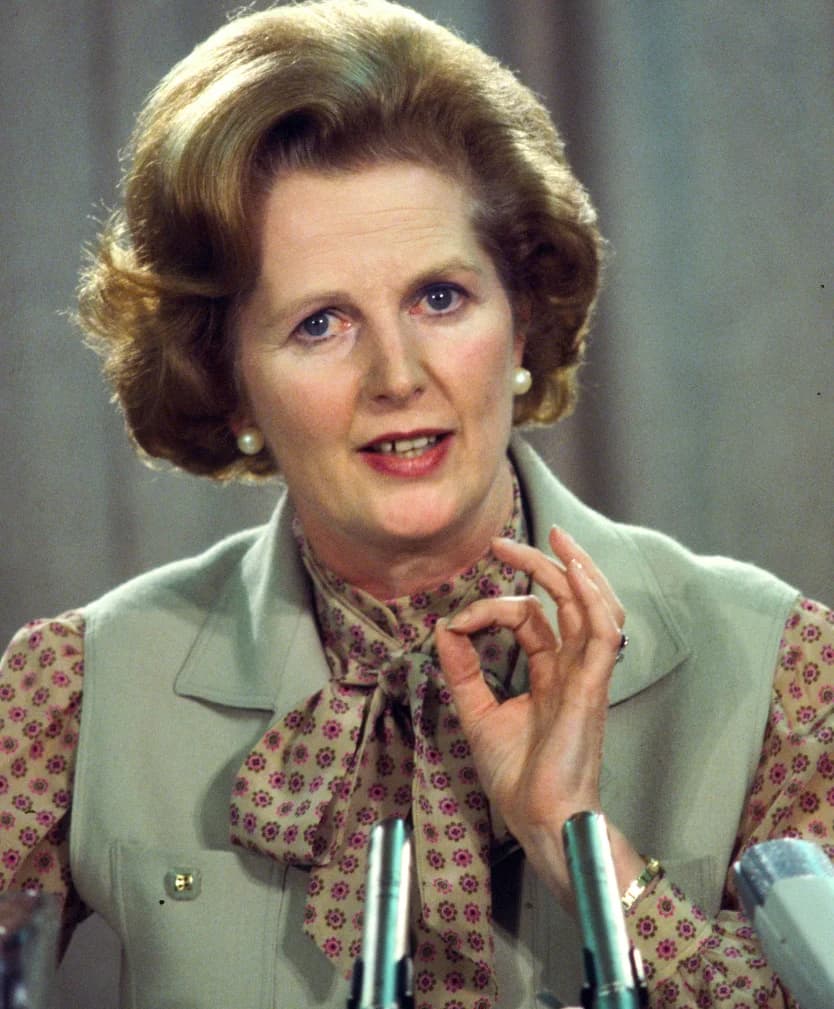
The term pussy bow formed in the 20th century as a euphemism for female genitalia. In the 30s, the St. Petersburg Times created a pattern for an Anne Adams dress that featured a convertible collar that could be worn in four different ways, including as “an intriguingly feminine pussy cat bow tied high under your chin. The pussy bow was essentially invented to be some type of “girlie tie”.
For many years, the pussy bow was seen as an exemplar of hyper, saccharine femininity borrowed from the nursery, where one might find puzzles of kittens lapping milk from a rose-painted saucer.
Designers like Coco Chanel and Yves Saint Laurent adapted the look into their collections in the 50s, but the pussycat bow blouse really took off in the early 80s, when it became a key part of Margaret Thatcher’s political image after she became Prime Minister of the United Kingdom in 1979.
The blouse became synonymous with women working in corporate America and gained popularity among the boss ladies and trailblazers fighting for equality in the workplace.
Catwalk
The first recorded use of the term catwalk (spelled cat-walk) comes from the 1885 journal of the renowned artist and children’s author Beatrix Potter, who referred to ‘a slip of a garden, a cat-walk’. It is a compound formed from the nouns ‘cat’ and ‘walk’, meaning a path for walking on, especially in a garden.
The traditional catwalk came from the fashion presentations that took place in department stores in the early 20th century, where they had large spaces available. These presentations for middle-class shoppers were vital in validating and then disseminating the fashionable styles set by designers. It was here that the more modern raised catwalk gained prominence and popularity.
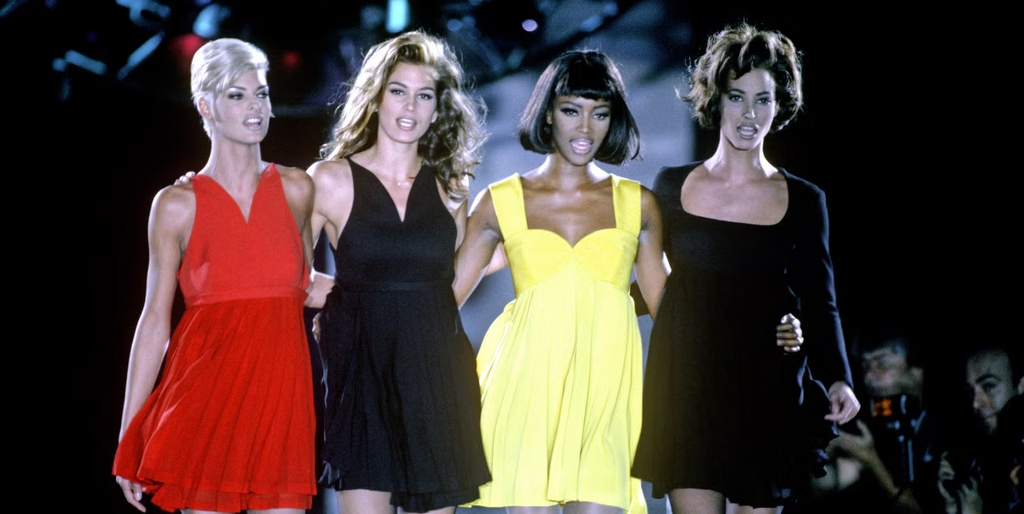
In the 1960s, the industry started to break away from these fixed and rigid spaces of department stores and salons. Designers got more creative with locations and the fashion shows had to adapt to the space in which it was being presented. Each new seasonal presentation meant that the fashion show had to be reimagined, and the scene – the setting, the music, the lights and the choreography – had to be redesigned along with the collection. From here, the fashion show just got bigger, particularly in the nineties. The supermodel and the super shows of the 90s. Will millions of dollars to spent, the fashion shows became a “visual spectacle”, but didn’t really add or change anything to the basic concept of a fashion show. At this point, pre-social media, and fashion houses were still in complete control of the imagery and video footage that was released, making the shows more elitist and exclusive than they are now.
Catsuit
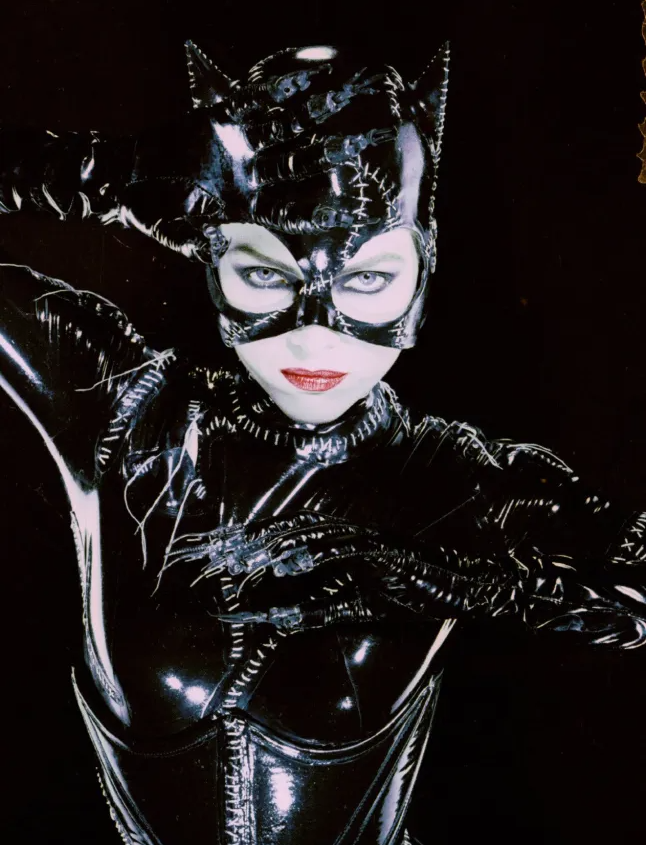
Worn as fashion statements from the 1960s to the 1990s, the name “catsuit” is attributed only since about 1955 or 1960. Catsuits were initially called bodysuits. The origin of the name is unknown; it may refer to a slinky, catlike aspect given to the wearer by some versions. It may also relate to the association with the antiheroine Catwoman whose costume from the 1950s onward is a modified catsuit. Worn by Julie Newmar, Lee Meriwether, Eartha Kitt, Michelle Pfeiffer, Halle Berry, Anne Hathaway, and now Zoë Kravitz in ‘The Batman’, it seems the legendary catsuit still has a few lives left.